


Cyber Brick City returns with a new look, engaging children through interactive stories, immersive design, and 3D-printed landscapes.
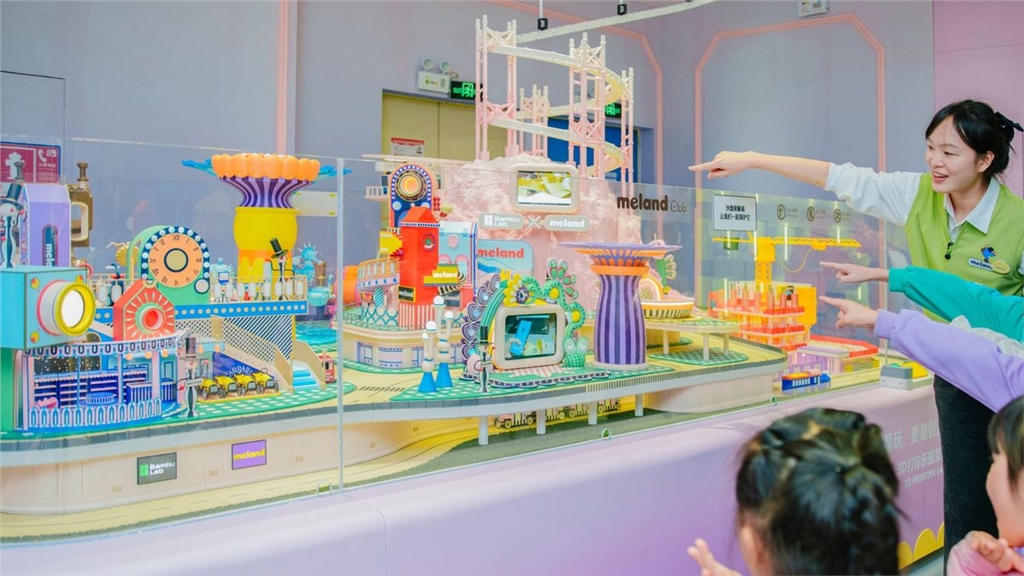
Last week, Bambu Lab and meland—a high-end brand in China's indoor family entertainment industry—jointly announced the launch of a groundbreaking educational initiative. This project is not only innovative in China but also rare worldwide.
In the heart of Shenzhen MixC World, the first technology-themed store, integrating 3D printing technology with children's education, has officially opened.
However, this is not just another ordinary entertainment center.
It harbors a more ambitious intention, a deeper imagination.
The meland × Bambu Lab Creative Center in Shenzhen is the first venue in China where children aged 5 to 12 can systematically learn 3D printing technology.
The overall curriculum is divided into two levels:
1. In the introductory stage, children will learn the operating principles of 3D printers under the guidance of an instructor and complete the entire process from creation to output of a work;
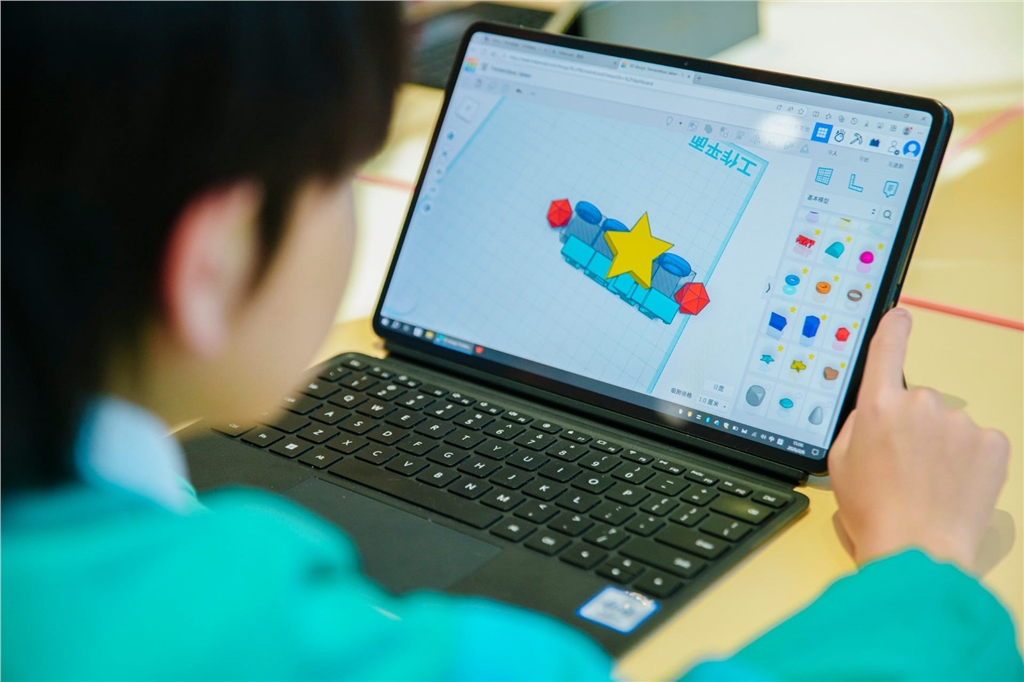
2. In the exploration stage, they will design their own simple 3D models and print them in class.
Every child will leave with a physical product that is truly their own—from inspiration to design to final completion, all personally realized.
| meland: Learning through play
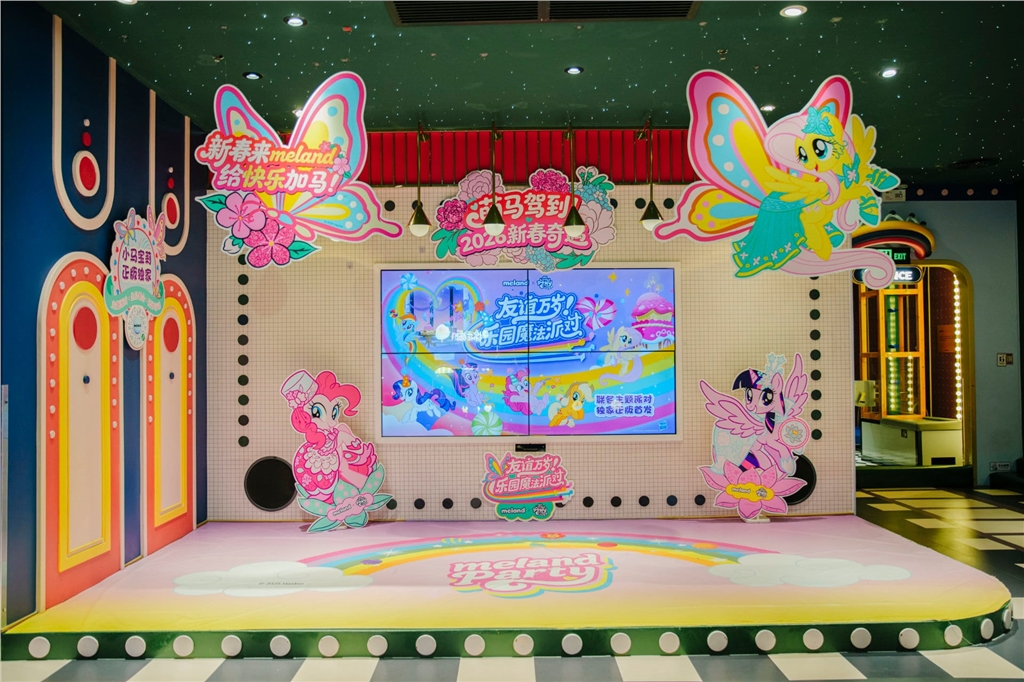
meland specializes in indoor family entertainment, dedicated to creating large-scale immersive play spaces for families, often located within shopping centers. These venues combine traditional physical play facilities with educational and creative elements.
Today, meland's footprint covers over 70 cities in China, with more than 140 directly operated stores.
Since its inception, the brand's philosophy has always been based on a seemingly simple yet difficult-to-implement principle:
"Learning through play, learning through play."
This is not just a slogan but profoundly shapes every decision made in curriculum design and activity planning.
When Bambu Lab and meland began discussing their collaboration plan, both parties quickly realized that they were moving in the same direction. Bambu Lab brought technical expertise and global community resources, while meland offered a solid venue infrastructure and direct access to the family demographic.
What each possessed was precisely what the other needed.
Thus, this collaboration ultimately became a strategic partnership, with the Shenzhen Creative Center being the first stop in their joint efforts. According to representatives from both companies, this is just the beginning.
| No longer just "a 3D printer in the corner"
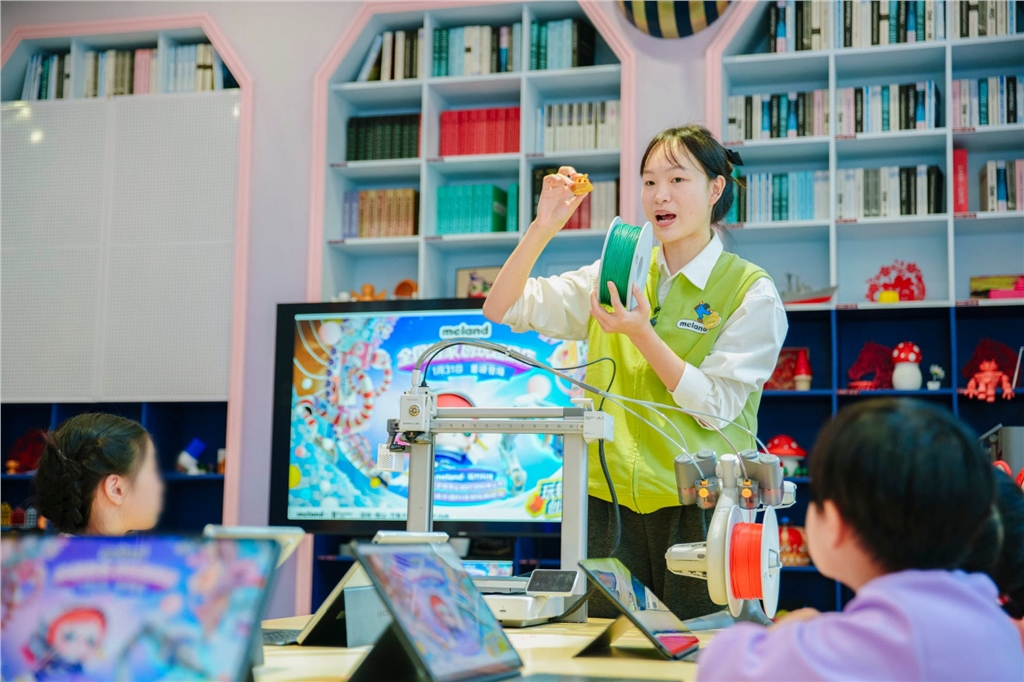
For many years, in educational settings, 3D printing has often been regarded as a novelty device. Machines might be placed in a corner, occasionally printing small objects, but rarely was there a complete and clear curriculum to truly explain to children what was happening and why it mattered.
The Shenzhen Creative Center takes a completely different approach.
The entire teaching space is designed for children aged 5 to 12 and features two main curriculum systems: introductory and exploratory.
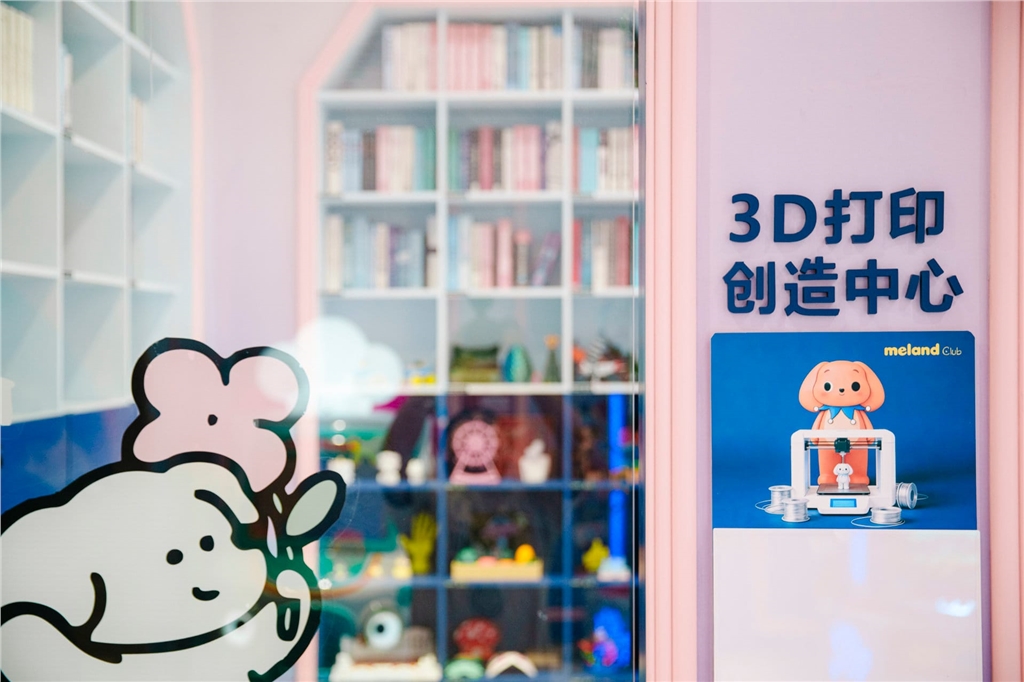
In the first level, children will operate Bambu Lab printers with an instructor, understanding the basic principles of this technology and experiencing a complete printing process from start to finish.
In the exploratory stage, learning will go further: children will learn how to translate their ideas into simple 3D models and print them in class, ultimately taking home their self-designed physical creations.
This distinction is profound:
· If a child merely receives an existing model to print, they learn how to operate a machine;
· If a child personally designs a model and watches it take shape in their hands, what they learn will go far beyond the technology itself.
· They will understand that ideas can become reality;
· They will understand that there are indeed tools in this world that can transform imagination into tangible, physical objects;
· They will also understand that the entire process from concept to finished product is not out of reach, but rather a capability that anyone can touch, learn, and master.
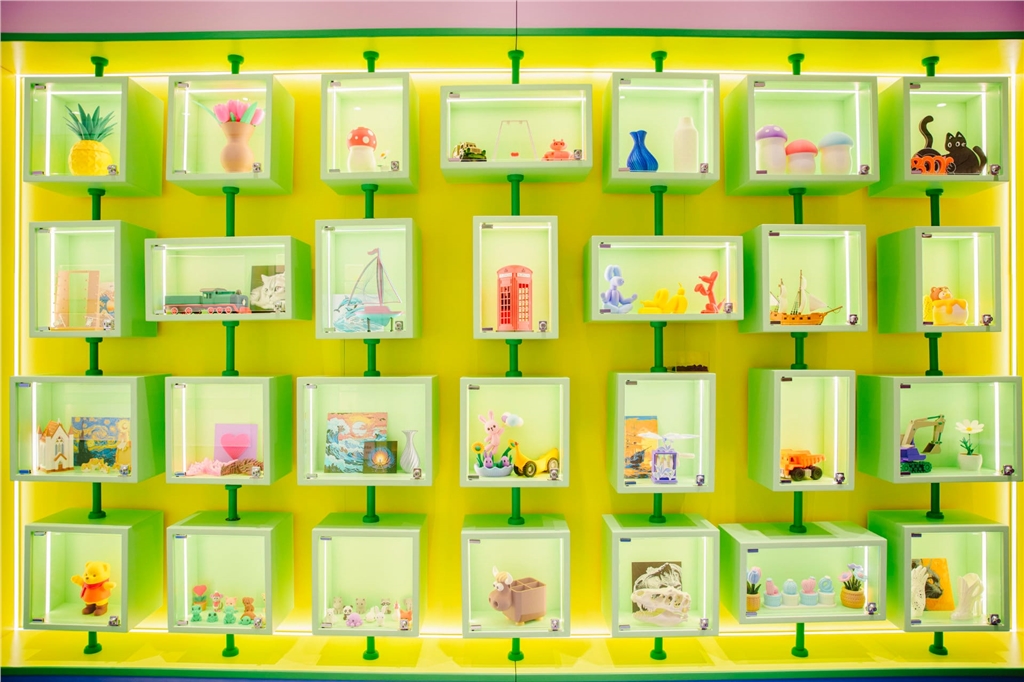
The experience area also features a 3D printing display wall, showcasing Bambu Lab A1 printers, allowing the beauty of technology and the intelligence of machinery to be intuitively presented.
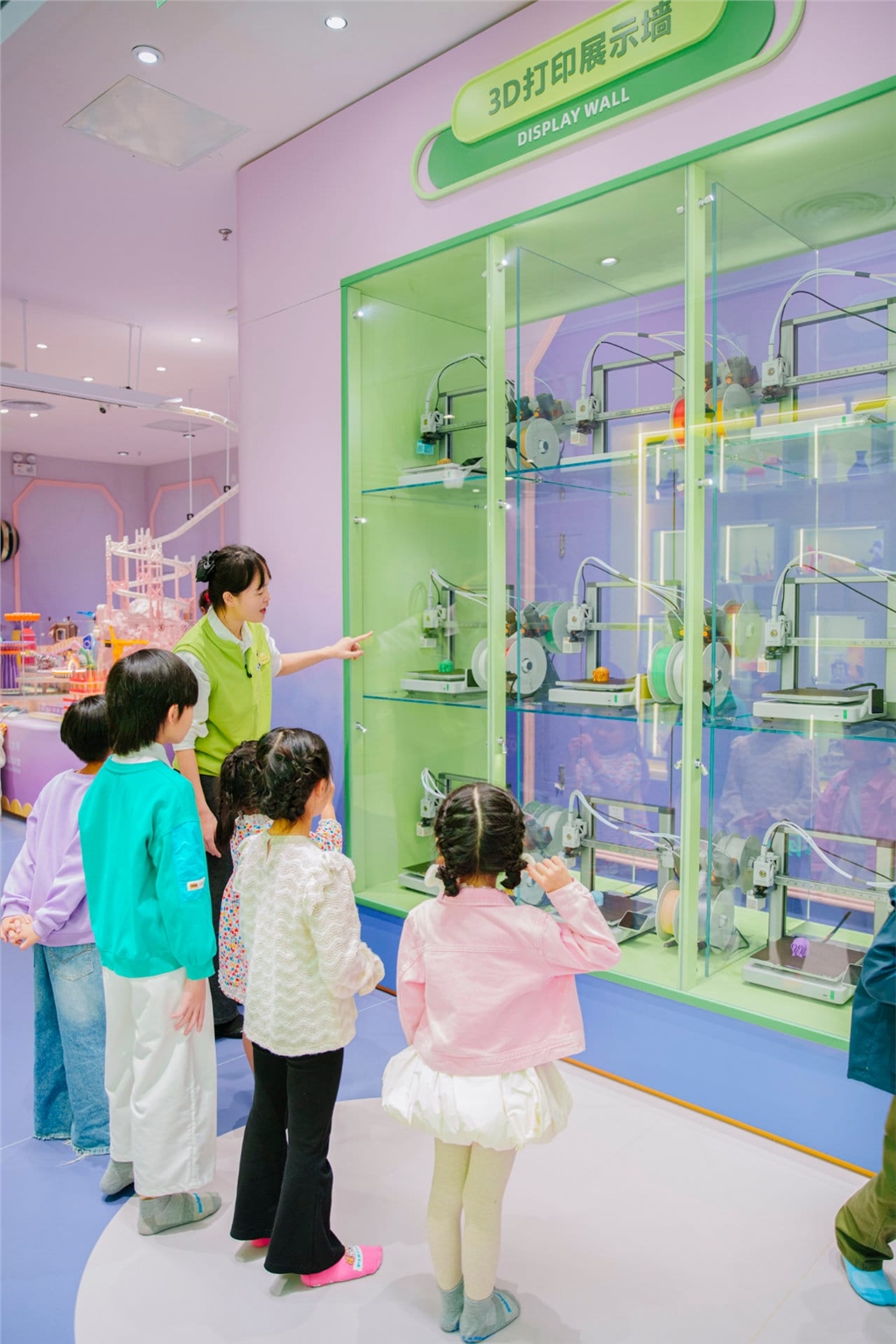
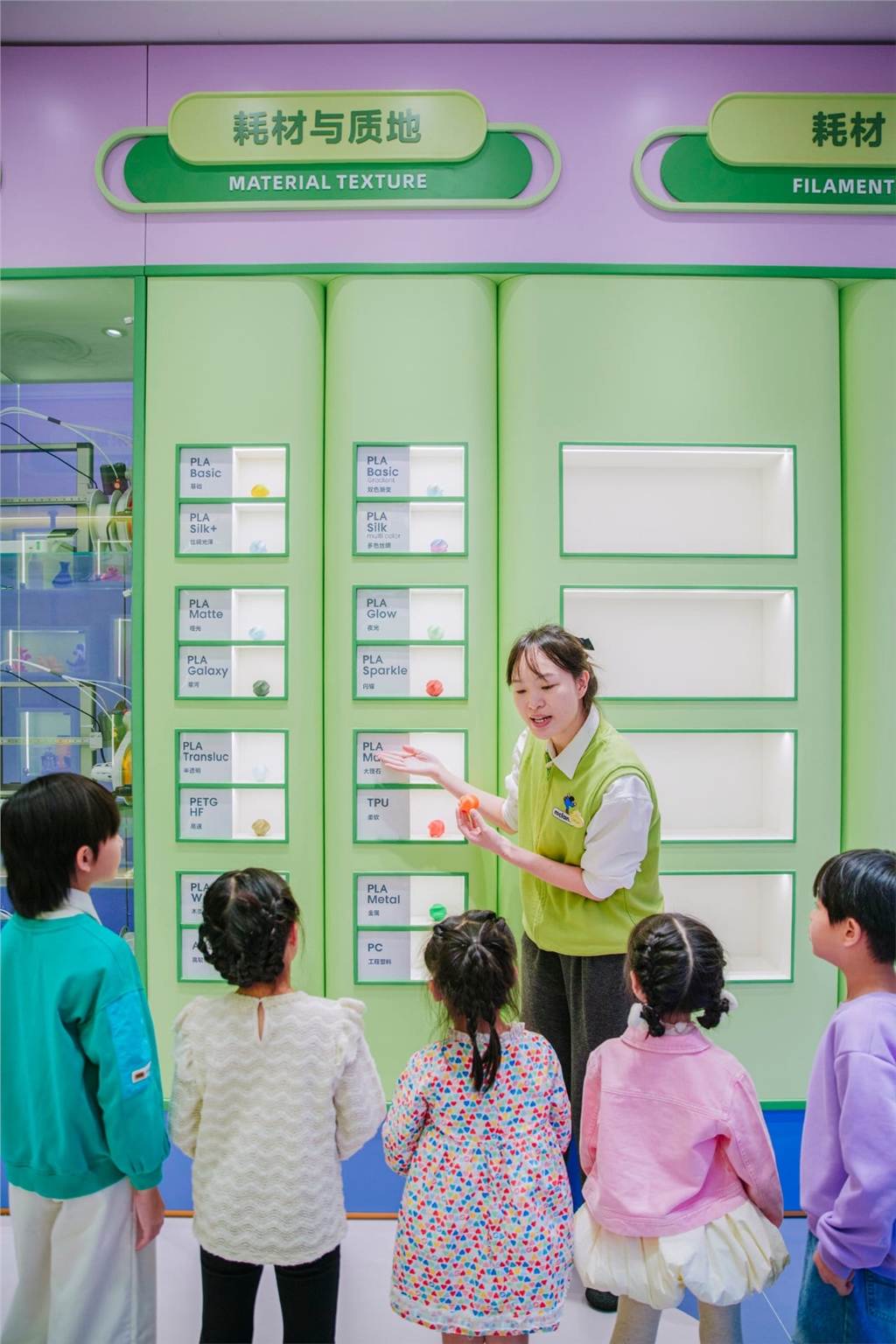
To ensure the smooth operation of the entire curriculum system, Bambu Lab also provided systematic training for the meland team. Staff members are not only proficient in operating the equipment but also capable of leading classes, answering children's questions, and helping parents understand the technology—many parents, often like their children, are full of curiosity about it.
| Cyber Brick City, returns with a new look
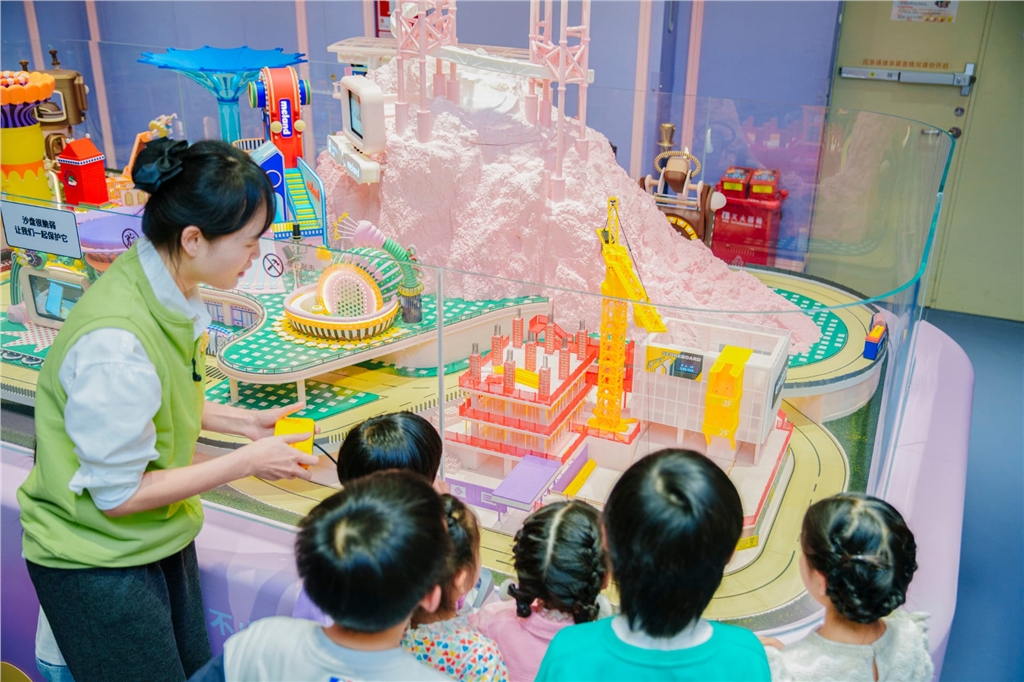
However, the curriculum is only one part of the overall experience. What truly sets the meland × Bambu Lab Creative Center apart is an astonishing new installation custom-designed for this location:
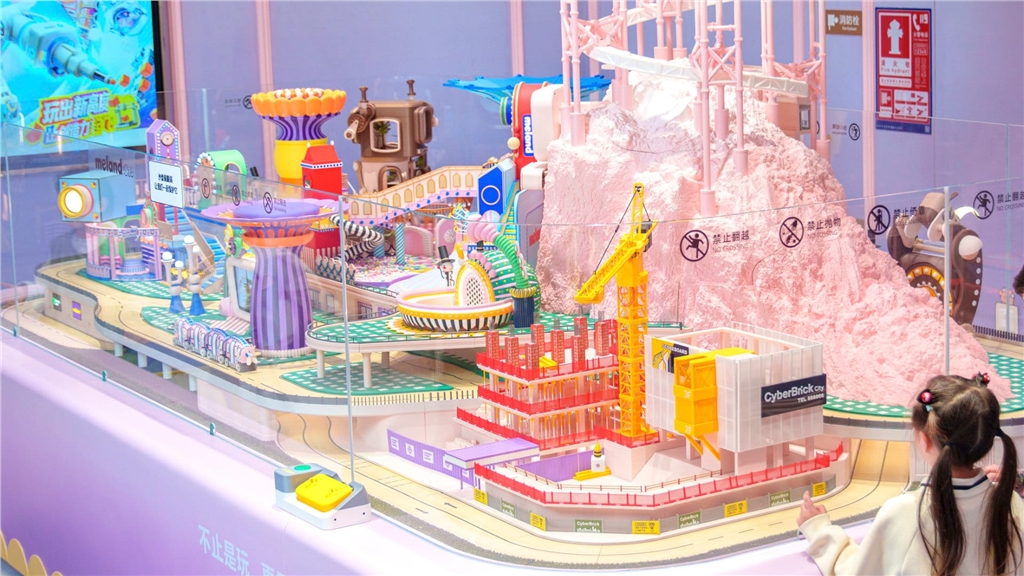
Cyber Brick City — the children's edition.
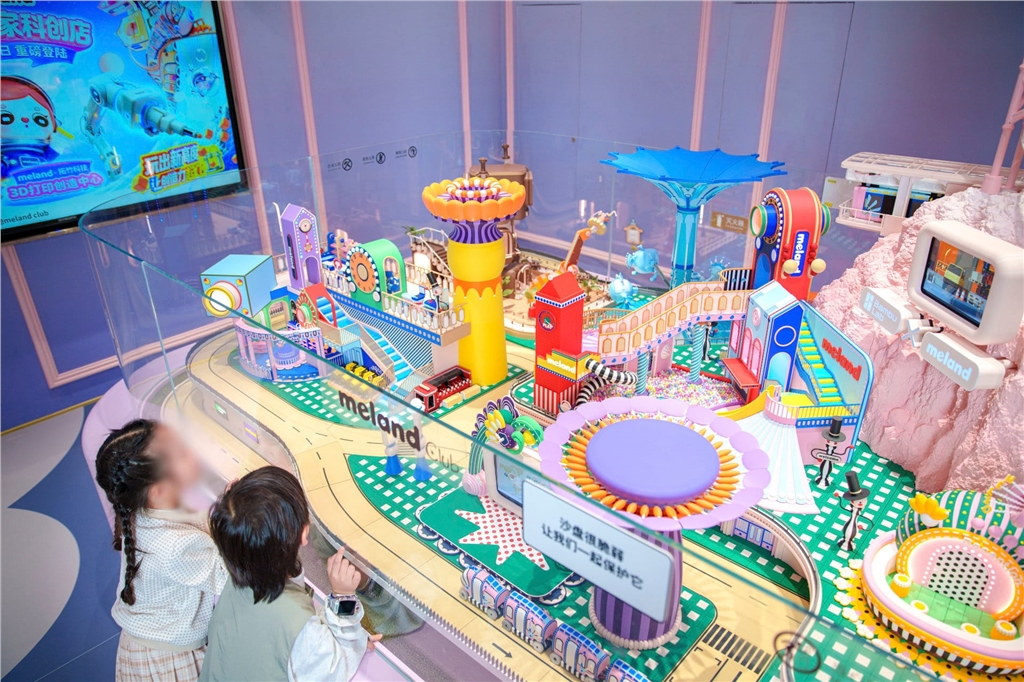
Those familiar with 3D printing developments will surely recognize this name. Cyber Brick City first debuted at Bambu Lab's headquarters and flagship showroom in Shenzhen, and later appeared at Formnext 2025.
This miniature city, entirely constructed from 3D-printed parts, quickly became one of Bambu Lab's most recognizable ways to showcase its equipment capabilities, thanks to its distinct visual impact and exquisite technical execution.
Now, this concept makes a comeback in a new version, reimagined specifically for this venue and its young audience.
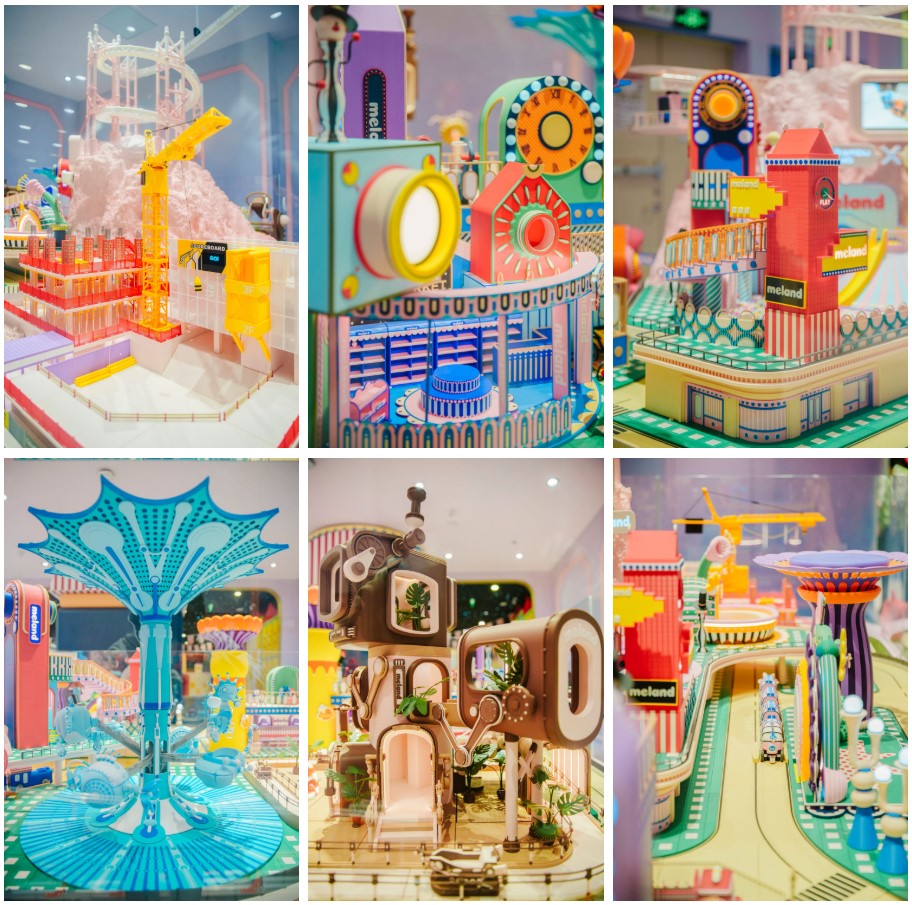
This is not a simple replication but a complete transformation.
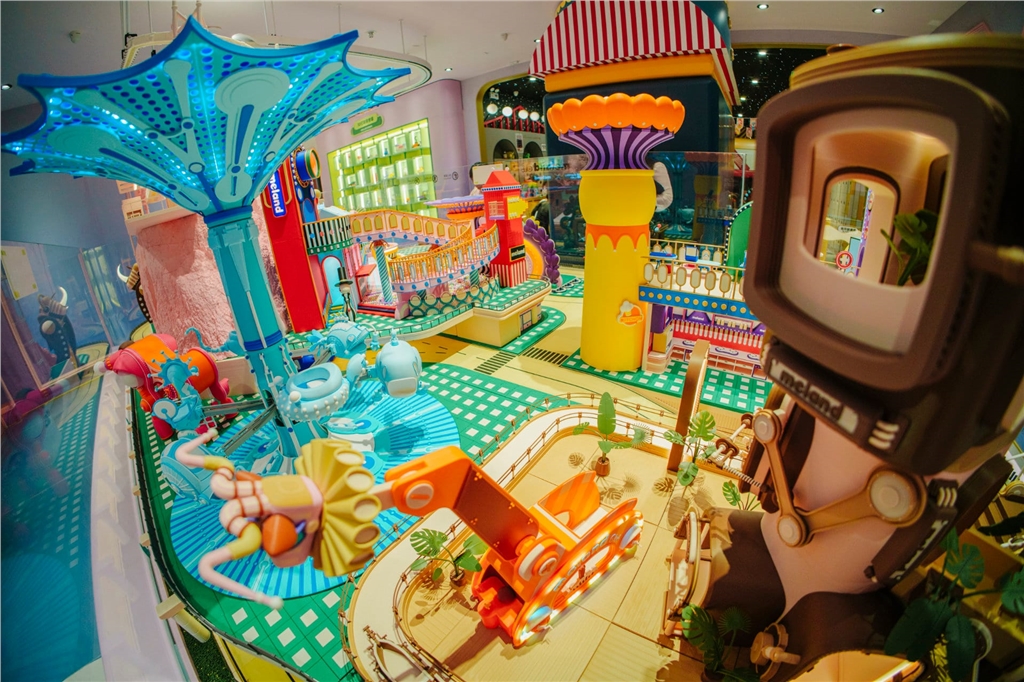
The design team created a miniature city where the core elements are the iconic classic facilities found in meland playgrounds. Streets, buildings, and play structures are all 3D-printed, with the design starting from the perspective of children encountering this installation for the first time.
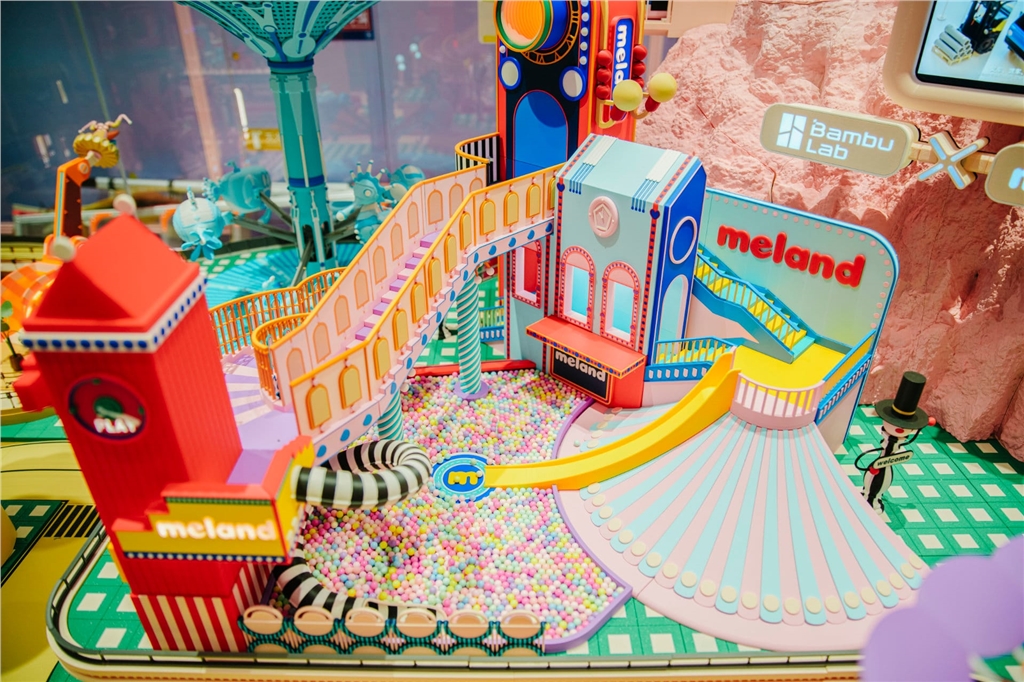
Lighting, dynamic effects, and an almost obsessive attention to structural and visual details elevate this work beyond a static display.
Watching "Cyberpunk" is not passive observation but an experience, an encounter that summons imagination.
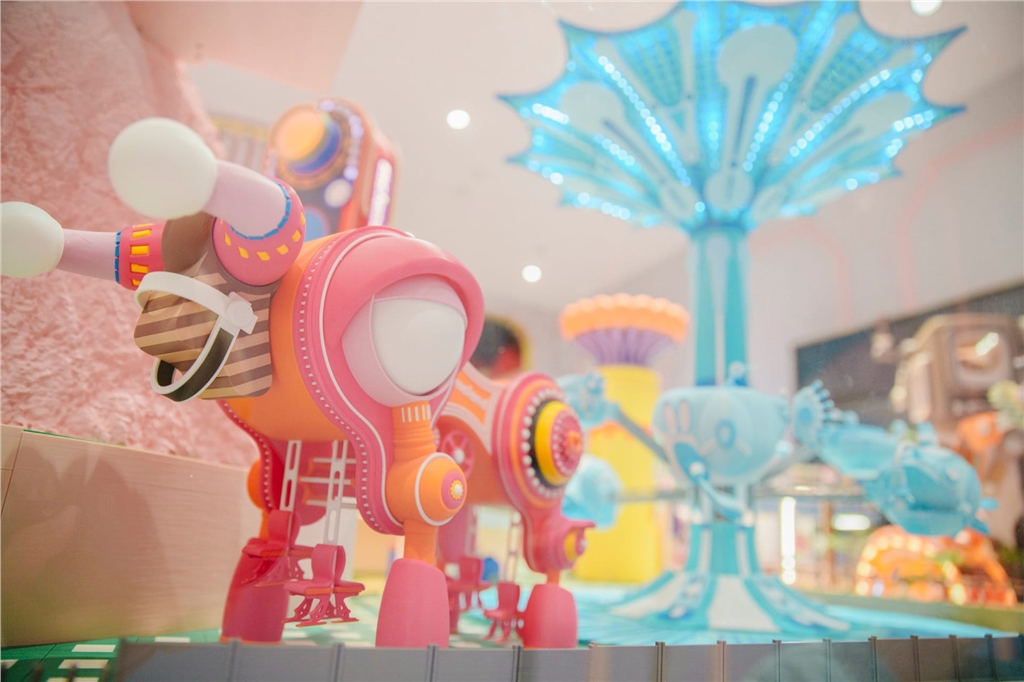
Children will instinctively search for familiar elements, asking a series of questions, wanting to know how everything before them came into being.
And that is its true purpose.
| Why now?
For many years, China's family entertainment industry has grown steadily, and in recent years, this growth has accelerated significantly. By 2024, the overall market size has exceeded 100 billion RMB, with an annual growth rate of over 20%.
Parents are no longer satisfied with just finding a place for their children to spend an afternoon. They increasingly expect activities that simultaneously offer educational value, emotional connection, and creativity development.
Research by the China Tourism Academy also confirms this shift: 61.4% of parents expect family activities to combine knowledge acquisition with emotional connection.
The industry has long recognized this trend—however, finding truly effective technology in children's entertainment spaces is far more difficult than imagined.
And 3D printing almost perfectly aligns with this expectation.
It provides children with a complete creative pathway—from idea to design, to becoming a physical object; it requires independent thinking and autonomous decision-making; it can engage parents, making them willing to understand what their children are doing; and it leaves a tangible outcome—a printed work that the child can take home.
Therefore, the Shenzhen Creative Center is by no means the end of the story.
Both companies state that in the future, this venue will regularly host more activities and courses centered around "learning through play"; and this collaboration is highly likely to further expand across meland's extensive network of locations throughout China.
Infrastructure is in place.
Projects are in place.
Technology has been mature for many years.
Now only one thing remains: to let children discover for themselves what they can create with it.
And in Shenzhen, this journey of discovery has already begun.