


There are hundreds of 3D printer filaments, and choosing the right one is incredibly difficult! 3DMart has compiled a guide to most of the 3D printing materials on the market. Let us help you understand the characteristics of each filament that 3D printers can print:
| 1.PLA | 2.Tough PLA | 3.ABS | 4.METALS (Metals) | 5.Carbon (Carbon Fiber) | 6.Wooden (Wood-like Materials) |
| 7. Nylon (Nylon) | 8.TPE | 9.CPE | 15.CPE+ | 10.PC | 11.PP(Polypropylene) |
| 12. Glow in Dark | 13.PolyCast | 14.PolySmooth | 13.PVA(Water-Soluble) | 14.Breakaway |
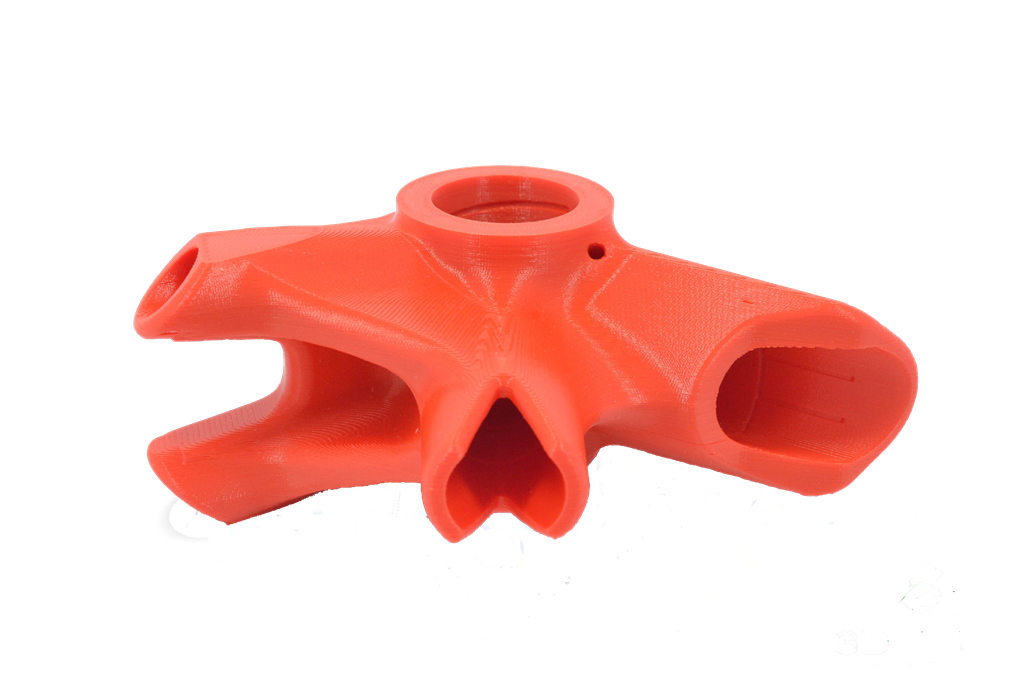 PLA (Polylactic Acid) is the most commonly used material for desktop 3D printers, and it does not require a heated bed. PLA is easy to print, inexpensive, and one of the most environmentally friendly filaments on the market today. It is made from agricultural crops like corn and sugarcane, making it renewable and biodegradable. (Click here to purchase)
Features:
.Low cost, good dimensional accuracy and shelf life
.Poor heat resistance, filament may become brittle and break
.Not suitable for outdoor environments (sun exposure)
Printing Parameters:
Heated bed temperature: 45-60°C
Print bed: Blue painter's tape, PEI, glass, glue
Nozzle temperature: 190-220°C (no special hot end required)
Cooling fan: Partial fan speed 100% required
Ultimaker 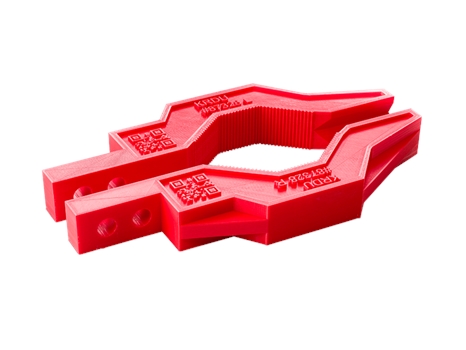 Tough PLA is a high-strength PLA (polylactic acid) with similar toughness to ABS, while maintaining the safety and ease of use of standard PLA. It is an ideal choice for 3D printing large prototypes and tools. (Click here to purchase)
Features:
.Hardness similar to ABS, greater than standard PLA
.Less brittle than standard PLA
.Compared to standard PLA, it has a more matte texture, suitable for post-processed products
.More reliable than ABS for printing large volume objects, less prone to delamination or warping
.Compatible with Ultimaker support materials (PVA and Breakaway), offering perfect application when designing parts
Printing Parameters:
Heated bed temperature: 45-60°C
Print bed: Blue painter's tape, PEI, glass, glue
Nozzle temperature: 190-220°C (no special hot end required)
Cooling fan: Partial fan speed 100% required
ABS (Acrylonitrile Butadiene Styrene)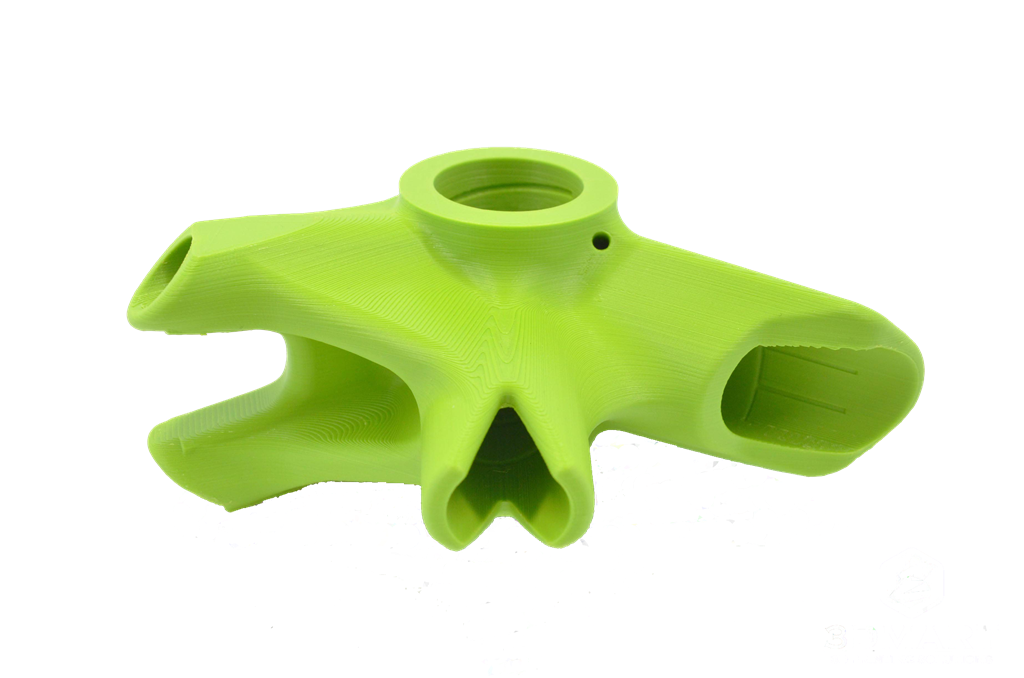 ABS (Acrylonitrile Butadiene Styrene) is a common material used in industrial 3D printers. Due to its lower cost and good mechanical properties, it offers high toughness and impact resistance, allowing for the printing of durable parts that can withstand wear and tear; for example, LEGO bricks are made from this material! ABS also has a high glass transition temperature, making it an ideal choice for outdoor or high-temperature environments. Due to its higher shrinkage rate, maintaining a stable temperature is crucial. (Click here to purchase)
Features:
.Lower cost, impact resistance, wear resistance, heat resistance
.Less oozing and stringing, resulting in a smoother model surface
.More prone to warping, requires a heated bed or heated chamber
Printing Parameters:
Heated bed temperature: 95-110°C
Print bed: Must use tape or ABS glue
Nozzle temperature: 220-250°C (no special hot end required)
METALS (Metals)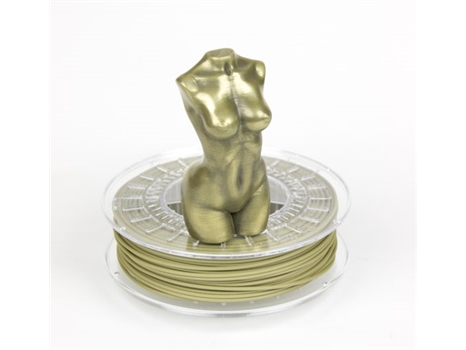 Metal filaments are made by mixing metal powder into the filament, providing a unique metallic surface and increased weight, such as copper and bronze. The percentage of metal infused in each filament varies by manufacturer, and the presence of metal powder makes the filament heavier than standard plastics. Metal-filled filaments also tend to be more abrasive during extrusion, and standard brass nozzles will wear out quickly, so it is recommended to upgrade to a CC Red 0.6 wear-resistant nozzle. There are also other types of metal filaments on the market that have metal pigments added to them. Since they do not contain any actual metal powder, they do not have the same advantages as true metal filaments. (Click here to purchase)
Features:
.Beautiful metallic surface, printed parts are harder and more brittle
.Does not require a high-temperature extruder, heavier than standard filaments
.Non-abrasive nozzles are prone to clogging, higher cost
Printing Parameters:
Heated bed temperature: 45-60°C
Print bed: Tape, glue, PEI
Nozzle temperature: 190-220°C
Partial cooling fan required
Carbon (Carbon Fiber)
Carbon fiber contains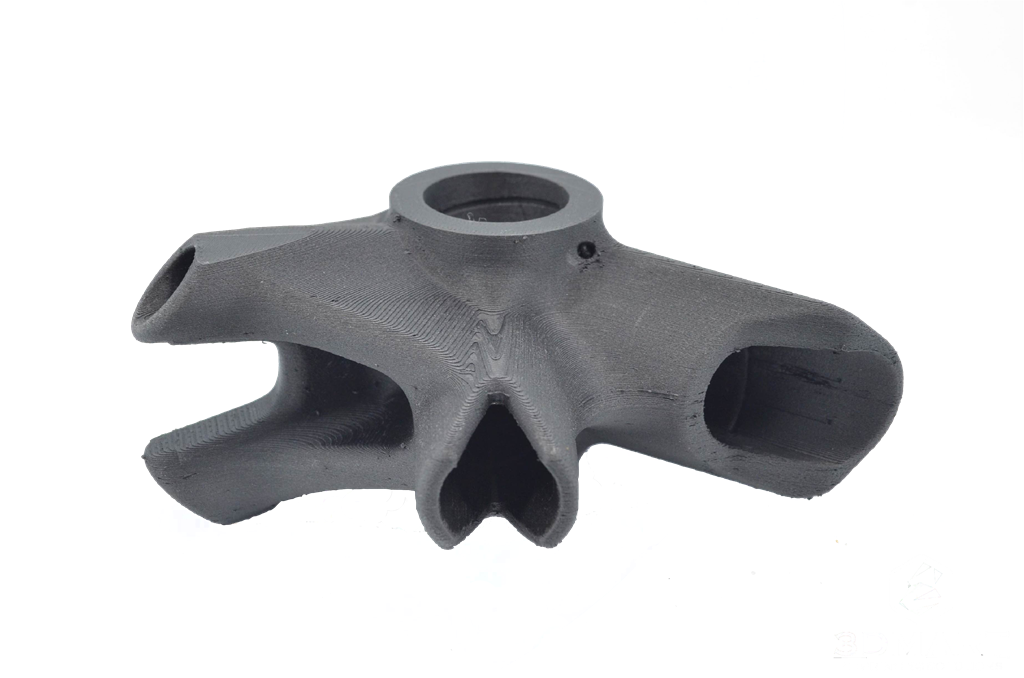 short fibers with a PLA or ABS base, offering high strength and hardness, light weight, and ease of printing. Carbon fiber filament improves material properties by infusing tiny fibers into the base material, making it stronger and more rigid. These fibers also help prevent parts from shrinking during cooling. Printing temperature, speed, bed adhesion, and speed are similar to general fiber-added filaments. Due to the added fibers, this special material is more prone to clogging and requires an abrasion-resistant nozzle to avoid damage to the 3D printer.(Click here to purchase)
Features:
.Increased strength and stiffness, dimensional stability, lightweight
.Requires CC Red 0.6 abrasion-resistant nozzle; nozzle is prone to clogging
Print Parameters:
Heated bed temperature: 45-60°C
Print bed: Adhesive tape, PEI, glass bed, glue
Nozzle temperature: 200-230°C
Partial cooling fan needed
Wooden (Wood-like material)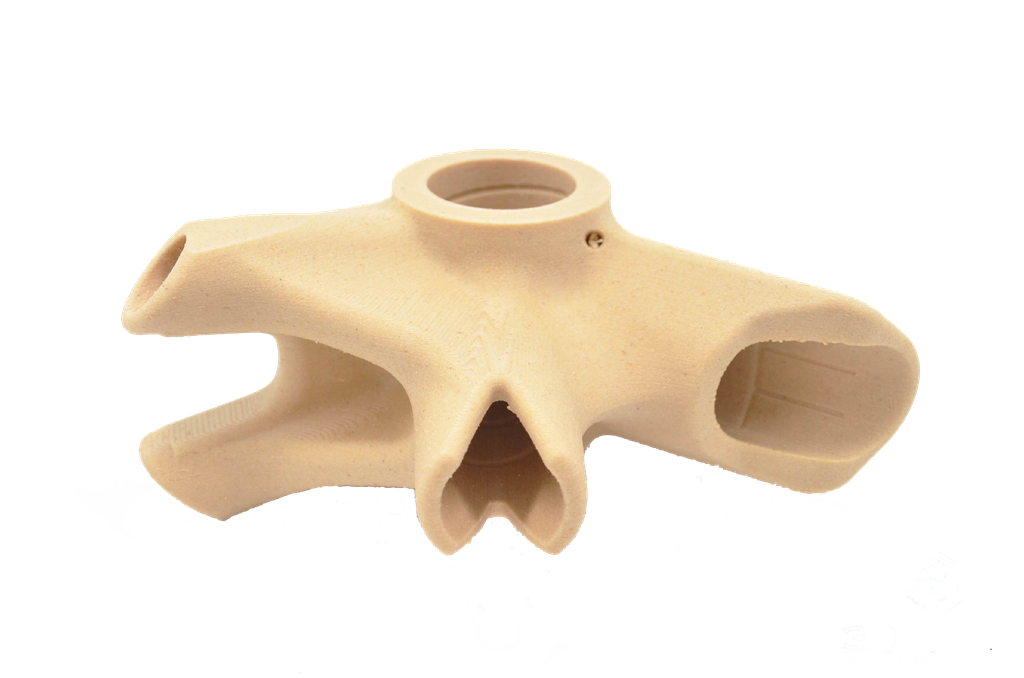 Wood-like filament is a composite material that combines PLA filament with wood particles or other wood derivatives, giving models a realistic wood texture. Typically, the filament consists of about 30% wood particles, but the specific amount varies depending on the raw material. Compared to other composite filaments (such as carbon fiber and metal), this filament has less abrasion, as wood particles are relatively soft. Some filaments may change color intensity with changes in nozzle printing temperature. (Click here to purchase)
Features:
.Beautiful wood grain, aromatic woody scent
.Smaller nozzles may experience partial clogging
.Requires a larger nozzle (0.4mm or larger recommended)
Print Parameters:
Heated bed temperature: 45-60°C
Print bed: Adhesive tape, glue, glass bed, PEI
Nozzle temperature: 190-220°C
Nylon (Nylon)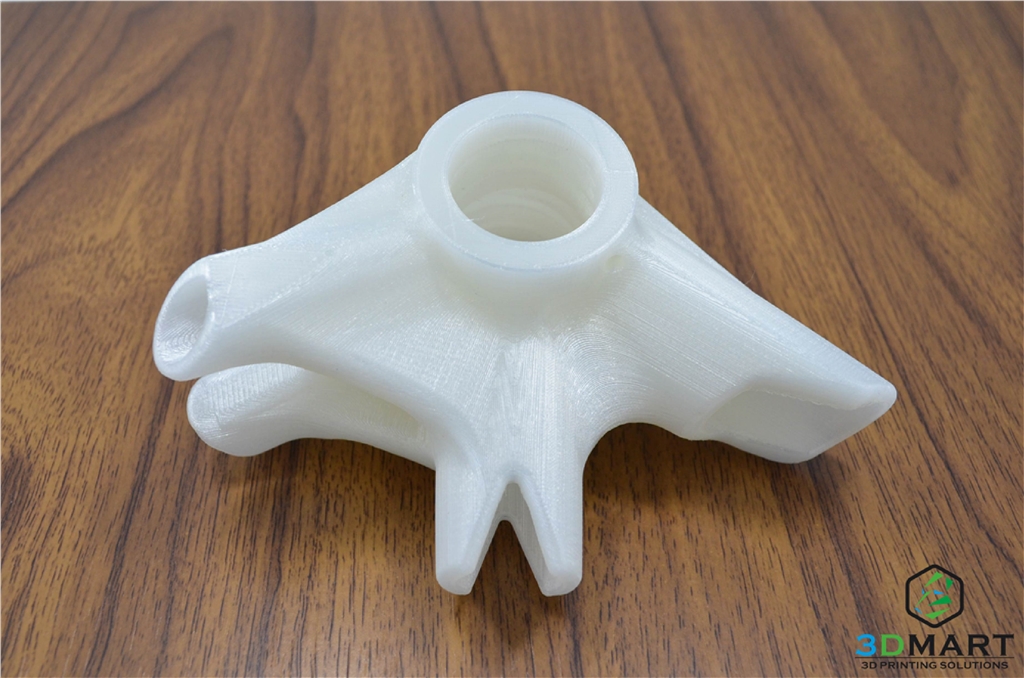 Nylon (also known as polyamide) is a tough and semi-flexible material with high impact and abrasion resistance, making it ideal for printing durable parts. Nylon is a commonly used material in the plastics industry, known for its toughness and flexibility. Nylon filament typically requires a nozzle temperature close to 250°C and is sensitive to humidity, so attention must be paid to storage conditions. (Click here to purchase)
Features:
.Tough, partially flexible, high impact resistance, abrasion resistance
.Prone to warping, requires sealed storage, avoid moisture
Print Parameters:
Heated bed temperature: 70-90°C (enclosed printer recommended)
Print bed: Glue, PEI
Nozzle temperature: 225-265°C
No cooling fan needed
TPE(Thermoplastic Elastomer)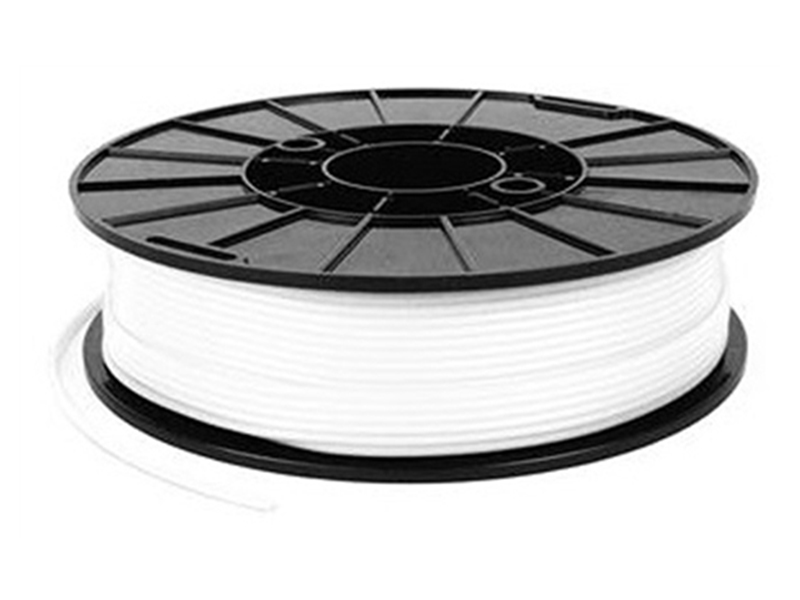 TPE is a thermoplastic elastomer material that produces soft, rubber-like finished parts. TPE material can create flexible and resilient parts, such as gaskets, belts, springs, phone cases, and more. This highly flexible and elastic 3D printing material allows you to print very soft and bouncy 3D printed objects, unlike common ABS and PLA.TPE is recommended for use with direct drive 3D printers; if using a Bowden drive 3D printer, then you need to slow down the speed and use a 2.85mm filament diameter. (Click here to purchase)
Features:
.Elastic and soft, pressure-resistant and shock-absorbing
.Easy to store, good impact resistance
.More difficult to print, low bridging capability
.Nozzle may be more prone to clogging
Print Parameters:
Heated bed temperature: 45-60°C (heated bed not always necessary)
Print bed: Requires adhesive tape or PEI
Nozzle temperature: 225-245°C (direct drive extruder recommended)
Partial cooling fan needed
CPE (Co-Polyester)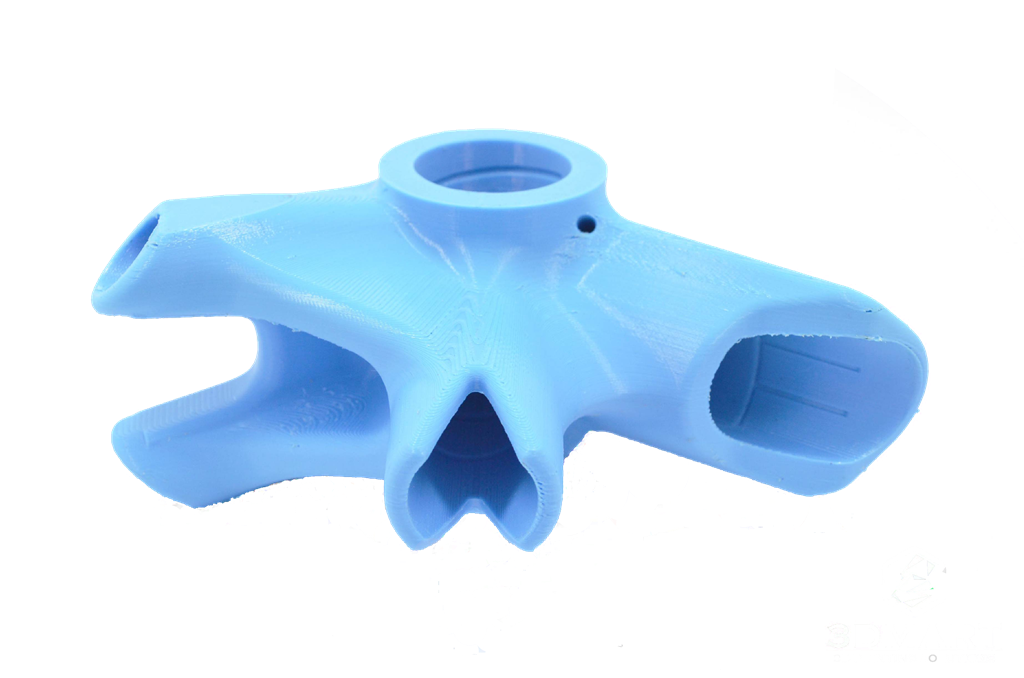 Ultimaker's specially developed CPE (Co-Polyester) 3D printing material offers chemical resistance, toughness, good dimensional stability, and excellent temperature resistance and mechanical strength, providing a new material option for objects and mechanical parts. (Click here to purchase)
Features:
.Chemical resistance, toughness, and stability
.Good layer adhesion
.Very low UFP and other volatile substances
.Suitable for short-run manufacturing and functional parts
Print Parameters:
Nozzle temperature: 220-240°C
Heated bed temperature: 75-85°C
CPE+.jpg "polysmooth")
CPE+ offers advantages such as higher temperature resistance and impact strength compared to CPE filament. It is available in various colors, while CPE+ currently offers black, white, and transparent. While CPE originally had high stretch and bend strength, the CPE+ formula makes it even stiffer. Original CPE had a temperature resistance of only 70°C, while CPE+ has a temperature resistance of up to 100°C. However, CPE has better bed adhesion than CPE+, but when combined with advanced bed stickers, there is almost no difference between the two. (Click here to purchase)
Features:
.Easy to print, low warping
.Can be used with supports
.Good dimensional stability
.Designed for surface polishing
Print Parameters:
Nozzle temperature: 260 ̊C
Heated bed temperature: 110 ̊C
PC (Polycarbonate)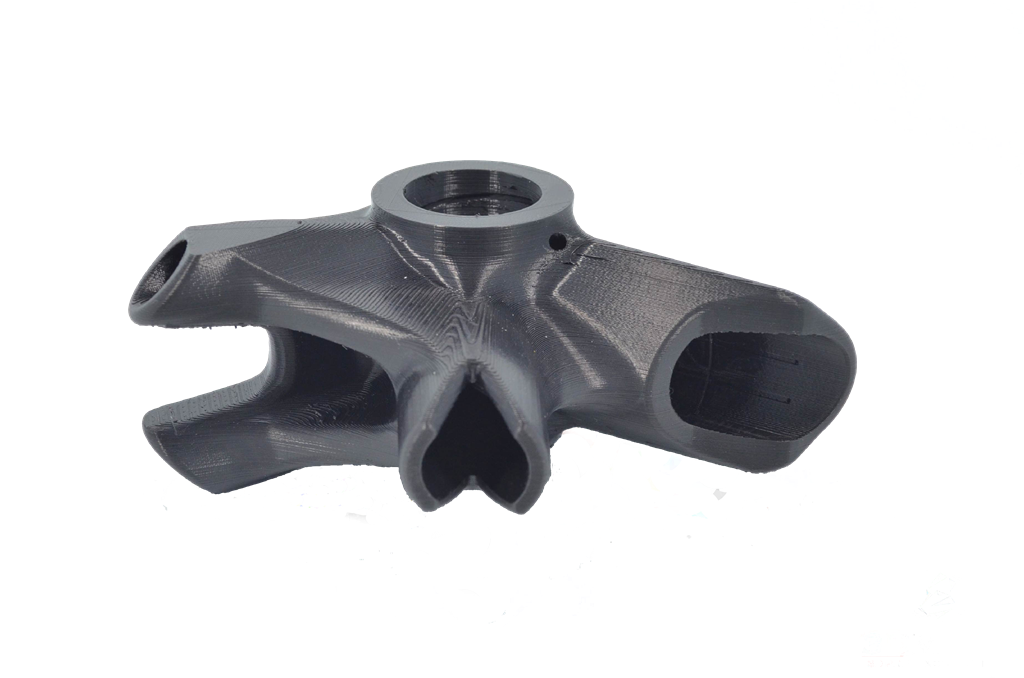 PC (Polycarbonate) has very high heat resistance and impact resistance, making it suitable for harsh environments and engineering applications. PC has a high glass transition temperature of 150 degrees, making it suitable for high-temperature applications. It can be bent without breaking. It requires high-temperature printing, and if the ambient printing temperature is too low, layer separation will occur. It is recommended to print PC on machines with an enclosed and heated bed. (Click here to purchase)
Features:
.Impact resistance, heat resistance, can be bent without easy breakage
.Requires high-temperature printing, more prone to warping
.Requires attention to storage environment, prone to moisture absorption
Print Parameters:
Heated bed temperature: 80-120°C
Print bed: PEI, professional adhesive, glue
Nozzle temperature: 260-310°C (requires all-metal hot end)
No cooling fan needed
PP (Polypropylene)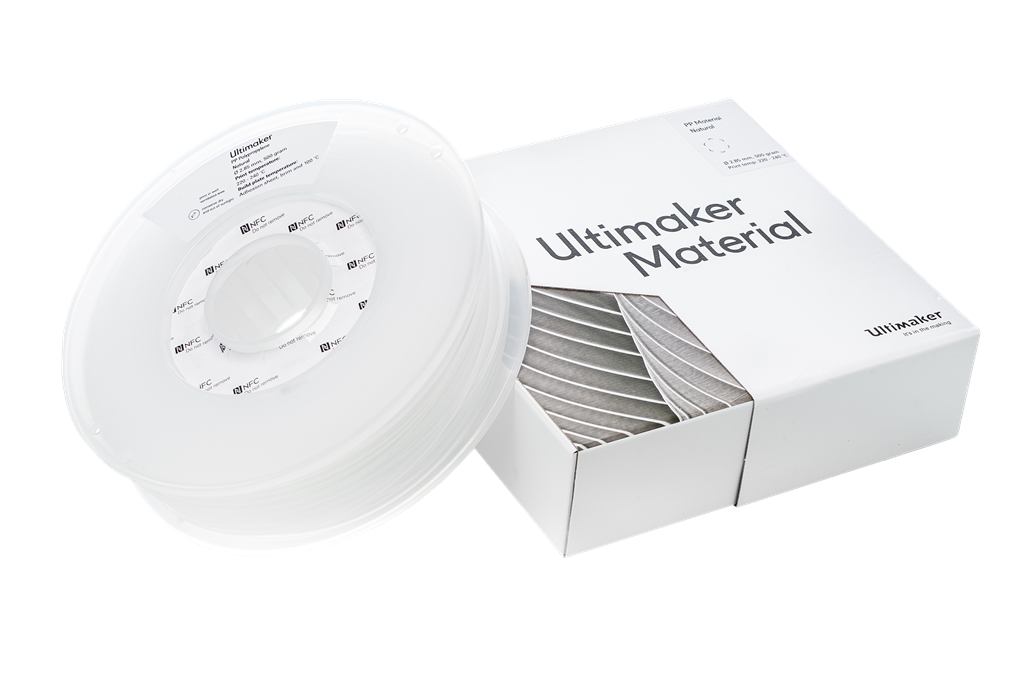 Due to its fatigue resistance, semi-elasticity, and lightweight properties, it is very suitable for high-cycle, low-strength applications.PP is a semi-rigid and lightweight material, its semi-crystalline structure makes 3D printed parts prone to warping when cooling. PP is tough and has good fatigue resistance, making it suitable for low-strength applications such as living hinges and belts. (Click here to purchase)
Features:
.Good impact and fatigue resistance, heat resistance
.Smooth surface but prone to warping
.Lower strength, more expensive
Print Parameters:
Heated bed temperature: 85-100°C (enclosure recommended)
Print bed: Adhesive tape, PP bed sticker
Nozzle temperature: 220-250°C
Partial cooling fan needed
Glow in Dark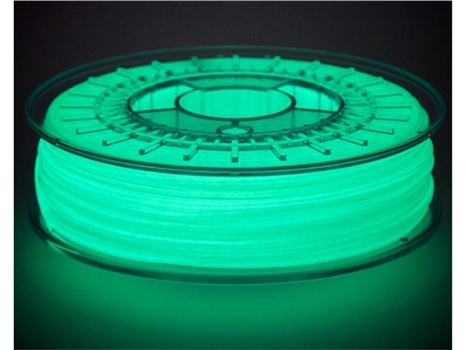 The main components of glow-in-the-dark filament are a mixture of phosphorescent pigments and PLA or ABS material. During the day, the phosphorus in the material absorbs UV light, and when placed in the dark, the absorbed UV light causes the phosphorus to emit beautiful fluorescence, creating an unexpected effect from its usual smooth, creamy surface! (Click here to purchase)
Features:
.Can be charged by sunlight, fluorescent light, or UV light.
.Glows in the dark after exposure to light.
.Increasing the infill percentage during printing can make the glow effect last longer.
Printing Parameters:
Nozzle Temperature: 190-210°C
Bed Temperature: 50-60°C (not required)
PolyCast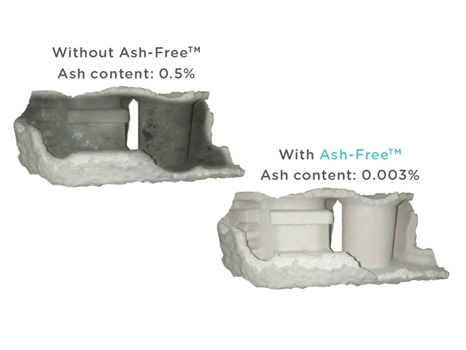 PolyCast is a specialized filament for investment casting, offering a more economical and faster application model. It significantly reduces complex processing steps and costs, and greatly accelerates product delivery cycles. When PolyCast filament is used for investment casting, it burns away cleanly without leaving any residue, allowing for the creation of complete and flawless metal parts using these clean mold cavities. The application of 3D printing in investment casting is increasing, greatly reducing the high costs and production time previously associated with CNC machining or mold production for small batches of metal parts. (Click here to buy)
Features:
.Specialized material for investment casting, completely burns away at high temperatures.
.Residue content is only 0.003%.
.Pre-polish the 3D printed object for a better surface finish.
Printing Parameters:
Nozzle Temperature: 190˚C - 220˚C
Heated Bed Temperature: 50-60°C (not required)
Printing Plate: Glue stick, blue tape
Cooling Fan: Must be on
PolySmooth.jpg "polysmooth")
PolySmooth™ is a new material that can be polished with alcohol. Its printing conditions are almost identical to PLA, and it features easy printing, extremely low warping, good mechanical strength, and easy support removal. Most importantly, it can be used with Polysher™, a cool and easy-to-use alcohol vapor polishing machine, to eliminate layer lines on printed objects and create a smooth surface finish! (Click here to buy)
Features:
.Easy to print, low warping.
.Can be used with supports, excellent dimensional stability.
.Specifically designed for surface polishing objects.
Printing Parameters:
Nozzle Temperature: 210-230°C
Bed Temperature: 70°C
PVA (Water-soluble Filament)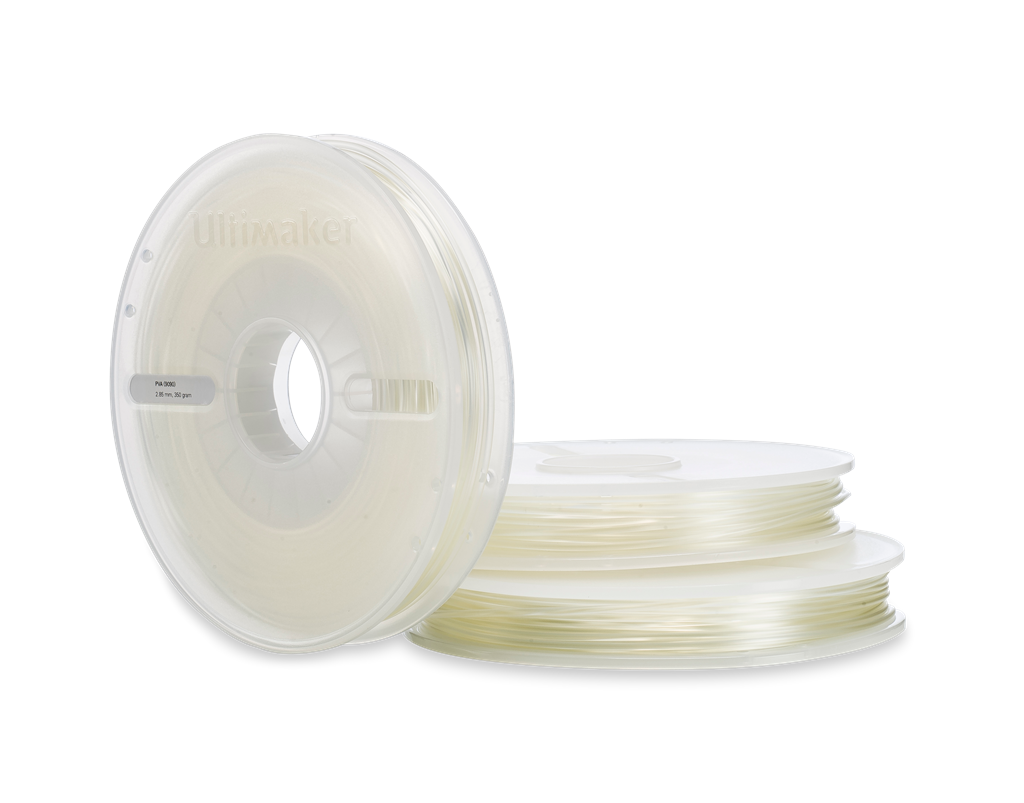 PVA (PolyVinyl Alcohol) is a water-soluble support material, a biodegradable polymer. When placed in water, PVA completely dissolves, serving as a support structure material for 3D printing. When printing models with very complex shapes or partially enclosed objects, PVA supports can be easily removed by dissolving them in warm water. If rapid prototyping is needed, PVA can also be used as a modeling material. (Click here to buy)
Features:
.High-quality water-soluble support material, higher price.
.No special solvents or additional equipment needed for dissolution.
.Avoid humid environments, recommended to store in a sealed container.
.Nozzle may clog if kept hot when not extruding.
Printing Parameters:
Heated Bed Temperature: 45-60°C
Printing Plate: PEI, tape
Nozzle Temperature: 185-200°C
Requires partial cooling fan
Breakaway (Breakaway Filament)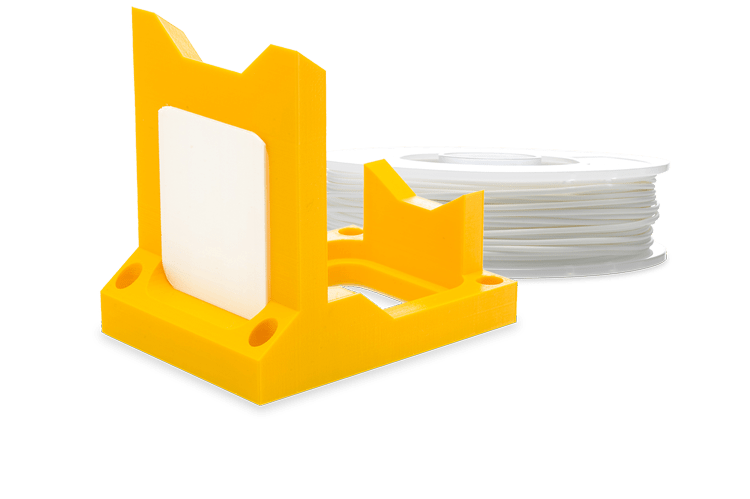 Ultimaker Breakaway (a blend of polyurethane and polylactic acid) is an auxiliary material used in dual-extruder 3D printers. Breakaway supports can be quickly removed without further post-processing, enabling high-quality processing in 3D printing. Designed for a convenient 3D printing experience, Breakaway has good adhesion with materials such as ABS, Nylon, PLA, CPE, and CPE+. (Click here to buy)
Features:
.Good compatibility with various materials.
.Supports are strong yet flexible, and can be removed from the model.
.Longer shelf life and lower humidity sensitivity compared to water-soluble support materials.
Printing Parameters:
Refer to the parameters of the main printing filament used.
The above is a comparison and key points for choosing 3D printing filaments. We will continue to update information on the latest and best filaments in the world to keep everyone informed. If you have any questions about filaments, please message us. We will compile the questions and answers in the article, hoping to help more users!
Reference